Custom‑Machined Enclosures: When Off‑the‑Box Housings Fall Short for Your Electronic Project
What Do Custom‑Machined Enclosures Actually Deliver?
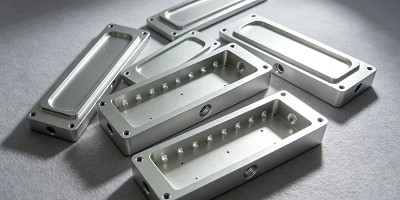
At its core, a custom‑machined enclosure is purpose‑built hardware housing tailored exactly to your internal electronics rather than forcing your PCB and assemblies to adapt to pre‑existing casing dimensions.
Beyond basic physical containment, these housings perform multiple overlapping functions:
- Environmental protection: block moisture, dust, chemical splashes and physical impact to lower hardware failure risk.
- Electrical safety & signal control: prevent electric shock hazards while delivering EMI/RFI shielding to stop external noise interfering with sensitive circuits, and contain internal signal emissions.
- Assembly enablement: integrated threaded bosses, positioning ribs and cutouts hold PCBs, connectors, displays and buttons in precise alignment, streamlining assembly workflows.
- Thermal support: metal housings can act as passive heat spreaders for heat‑generating electronics.
- Brand and product aesthetics: consistent high‑quality surface finishes define the outward look of professional‑grade equipment.
Off‑the‑shelf casings rarely check all these boxes simultaneously for specialized hardware projects.
Manufacturing Routes: How to Pick Your Production Process
Your ideal manufacturing approach depends on three core factors: production volume, geometry complexity, and project budget. Prototyping needs often diverge from mass‑production goals, so many projects switch methods as they move from prototype to serial runs.
CNC Machining
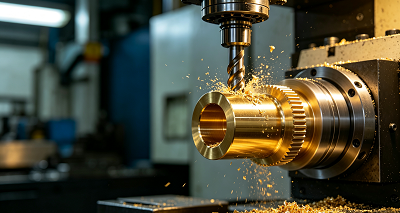
CNC subtractive machining removes material from solid metal or plastic blanks to form finished housings. It excels for low‑volume batches and prototypes calling for tight dimensional tolerances. Threaded inserts, internal mounting pockets and precision cutouts for connectors can all be milled directly into the part. One key limitation is cost scaling: unit pricing rises significantly for large‑volume orders compared with mould‑based processes.
Sheet‑Metal Fabrication
Sheet‑metal enclosures form parts via cutting, bending, stamping and welding flat metal sheets. Carbon steel, stainless steel and aluminum are widely used raw materials here. This method delivers cost advantages for mid‑to‑large‑batch projects with relatively simple geometry. Complex internal cavities and intricate fine features are harder to achieve with sheet‑metal workflows.
Additive Manufacturing (3D Printing)
3D printing builds housings layer‑by‑layer. It shines for fast concept prototypes and highly complex organic geometries impossible for CNC or sheet metal. Engineers frequently use printed units for quick fit‑check testing. Note that surface quality, material strength and cost efficiency become limiting factors for finished production hardware.
Vacuum / Urethane Casting
Vacuum casting creates copies from master patterns using silicone moulds. It fills the gap between prototyping and injection moulding for low‑volume runs. Medical equipment and robot housings are common use scenarios. It delivers better surface quality than most 3D‑print options without the high upfront tooling expense of injection moulds.
Metal Material Selection: Trade‑Offs Engineers Need to Weigh
Material choice shapes weight, corrosion resistance, thermal conduction, shielding performance and surface‑treatment options. Below are widely adopted metal options for custom housings:
Aluminum
Aluminum remains the most popular choice for custom‑machined electronic enclosures. Grades 6061 and 5052 dominate the space. They balance light weight, decent mechanical strength and good thermal conductivity. Anodizing is the go‑to surface treatment to boost wear and corrosion resistance. If you require direct electrical contact across mating surfaces, chromate conversion coating serves as a practical alternative to anodize, which creates insulating oxide layers.
Stainless Steel
Stainless steel contains chromium and nickel, granting outstanding corrosion resistance plus higher tensile strength versus aluminum. Select stainless steel when your device faces frequent heavy mechanical impacts. It yields a characteristic brushed grain finish, but adds considerable weight to finished units.
Galvanneal Steel
Galvanneal is zinc‑coated low‑carbon steel processed through annealing. The annealing step fuses zinc into the steel substrate so zinc layers resist flaking during bending operations. It performs reliably within damp, moisture‑prone operating environments, with corrosion performance tied directly to coating quality.
CRCA (Cold Rolled Close‑Annealed Steel)
CRCA offers strong stiffness and cost efficiency for indoor‑only equipment housings. Without protective paint or coating, this steel will rust, so it is unsuitable for outdoor or humid exposure scenarios.
Core Advantages of Custom‑Machined Housings
- Tailored design freedom: every dimension, mounting feature and cutout can match your electronics layout, optimizing internal space utilization.
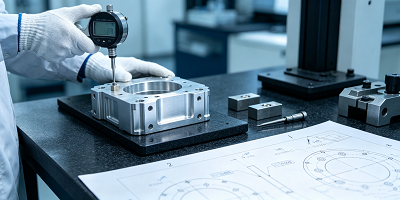
- High dimensional accuracy: critical mounting points, port openings and cavity dimensions follow your CAD specifications to guarantee clean assembly.
- Broad material flexibility: you can select metals or engineering plastics to match requirements for insulation, thermal transfer, shielding or weight targets.
- Superior mechanical robustness: machined casings stand up against wear, shock and harsh operating environments.
- Customizable surface finishes: from matte brushed textures to glossy treated surfaces, you can align appearance with product‑grade expectations.
- Optimized thermal management: cooling fins, contact planes for thermal pads and vent cutouts can be integrated directly into housing geometry to manage component heat loads.
Practical Design Guidelines for Electronic Enclosures
Great enclosure design starts long before sending files to manufacturing. Use these actionable tips to cut down costly prototype re‑work:
- Document operating conditions first: define indoor/outdoor deployment, ingress protection requirements (water/dust), impact resistance and temperature range. List every external interface: buttons, screens, ports, ventilation points. Have finalized PCB dimensions on‑hand.
- Match material to performance needs: evaluate thermal conductivity, mechanical strength and EMI shielding performance before locking your material selection.
- Work with professional CAD tools: SolidWorks, Fusion 360 or AutoCAD are industry standards for generating 3D models ready for DFM (Design for Manufacturability) review.
- Plan internal layout carefully: reserve clearance space for wiring, connectors and airflow. Cutouts for switches and indicators must not compromise overall structural rigidity of the housing.
- Balance cooling and protection: adding vents reduces overheating risk, yet vents can compromise dust or water resistance. Where environmental sealing is mandatory, leverage passive heat spreading via the metal housing instead of open vent holes.
Key Industry Applications
Custom‑machined enclosures support high‑reliability hardware across multiple vertical markets:
- Medical equipment: diagnostic instruments and patient‑adjacent hardware need hygienic, regulation‑compliant housings that meet strict safety standards.
- Telecom infrastructure: network switches, routers and communication hardware rely on these enclosures for cable routing and hardware protection.
- Automotive electronics: infotainment units, control modules and sensor assemblies need housings resilient against vibration and wide temperature swings within vehicle environments.
- Aerospace & aviation: avionics, navigation and flight‑control electronics depend on rugged, lightweight custom casings to survive demanding airborne conditions.
- Outdoor field hardware: utility meters, weather monitoring stations and outdoor lighting controls require weather‑proof custom housings for long‑term field deployment.
How to Choose Your Machining Partner
Selecting the right manufacturer directly impacts prototype quality, consistency across batches, cost control and lead‑time predictability. Prioritize suppliers with proven domain experience matching your industry (aerospace, medical, industrial electronics etc.).
A qualified partner should:
- Possess modern CNC equipment for tight‑tolerance work
- Provide DFM feedback on your CAD files before production to flag manufacturability risks
- Offer clear options for surface finishing, material alternatives and prototype‑to‑volume scaling
- Maintain consistent quality control across sample and production batches
Final Thoughts
Custom‑machined enclosures are far more than cosmetic outer shells. They form a critical mechanical subsystem that protects electronics, stabilizes thermal behaviour, preserves signal integrity and simplifies assembly. While standard off‑the‑shelf boxes may suffice for simple hobby‑grade projects, mission‑critical industrial, medical, aerospace and automotive hardware almost always benefit from purpose‑built machined housings. Investing time in early‑stage material and design planning reduces costly redesigns and improves your end‑product reliability.