A Comprehensive Guide to Industrial Pin Fasteners: Types, Materials and Selection Tips
What Are Pin Fasteners?
Pin fasteners are a class of industrial hardware primarily used to align components, prevent loosening, or secure assembled parts in position. Based on their installation and locking mechanism, they can be broadly divided into two categories:
- Semi-permanent pins: These require hand tools or applied pressure for installation and removal, and deliver stable, long-term holding performance for static assemblies.
- Quick-release pins: Equipped with spring-loaded or self-locking structures, these can be installed and removed by hand without extra tools, making them ideal for equipment that needs frequent adjustment, maintenance or part replacement.
Unlike threaded fasteners that mainly provide axial clamping force, most pin fasteners work through precise fit and shear load bearing, giving them unique advantages in positioning and radial connection scenarios.
Common Types of Pin Fasteners and Their Functions
Engineers have developed a wide variety of pin designs to address different functional requirements. Below are the most prevalent types used across modern industries:
1. Dowel Pins
Dowel pins are precision-machined cylindrical fasteners built for accurate alignment between mating parts. Manufactured to strict dimensional tolerances, they fit into pre-drilled holes to lock two or more components into exact position before final fastening with screws or bolts. They are indispensable in automotive part assembly, mold manufacturing, furniture production and precision machinery where positional accuracy directly affects product performance.
2. Cotter Pins
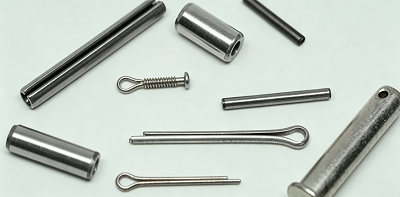
Also referred to as split pins, cotter pins are simple wire-formed fasteners with two extendable prongs. After being inserted through a cross-hole in a shaft or bolt, the two prongs are bent outward to lock the assembly and stop nuts from backing off under vibration. Low in cost and highly reliable, they are a standard choice for wheel assemblies, linkage mechanisms and general mechanical structures.
3. Clevis Pins
Clevis pins consist of a cylindrical shank, a formed head on one end, and a transverse hole on the other, designed to pair with cotter pins or retaining clips. They create pivoting or easily detachable joints between two parts, and are widely deployed in automotive suspension systems, agricultural machinery, marine hardware and towing equipment.
4. Spring Pins
Spring pins — also called roll pins — are hollow cylindrical pins formed from rolled flat metal strip. When driven into a hole slightly smaller than their uncompressed diameter, they contract and exert continuous outward spring pressure against the hole walls, creating a self-retaining fit. They are commonly used for light-load fastening and alignment in electronics, small appliances and furniture.
5. Taper Pins
Taper pins feature a uniform conical shape, with one end smaller in diameter than the other. They install into matching tapered holes to deliver both precise alignment and a tight wedge-like hold. They are especially suitable for assemblies that undergo regular disassembly and reassembly, as they cause far less wear to hole walls than straight pins over repeated use.
6. Lynch Pins
Lynch pins are heavy-duty quick-release fasteners made up of a pin shank and a spring-loaded retaining ring. Once inserted through a hole in an axle or shaft, the self-locking ring snaps into a groove to hold the pin securely in place. They are the go-to choice for farm equipment, utility trailers and construction machinery where implements must be attached and removed quickly.
7. Wire Lock Pins
Wire lock pins integrate the functions of clevis pins and cotter pins into a single tool-free fastener. They use a flexible wire bail that locks into a groove on the pin shank for dependable retention, while still allowing fast hand operation. Available in standard industry sizes, they are universally used for securing detachable accessories on industrial equipment.
8. L-Handle Pins
L-handle pins are robust locking pins fitted with an L-shaped grip for easy one-handed operation. They use a ball-locking mechanism that engages automatically when the handle is twisted, delivering high retention strength and excellent vibration resistance. They are widely used to secure tooling, workholding fixtures and heavy accessories on production machinery.
9. Spring Plungers
Spring plungers are compact, thread-mounted components containing a spring-loaded ball or pin tip. They are designed for indexing, positioning and light detenting in tight spaces, delivering consistent holding force without protruding structures. They can be threaded directly into tapped holes and are ideal for fixture alignment, gate stops and rotary indexing mechanisms.
10. Detent Pins
Detent pins are quick-release positioning pins fitted with a pull ring or T-handle for convenient operation. A spring-loaded ball detent locks the pin securely in place until the handle is pulled to release it. Available in both smooth-shank and threaded versions, they are used to adjust and fix removable accessories on a wide range of equipment.
11. Retractable Spring Latch Pins
Retractable spring latch pins are engineered for high-stress, heavy-load environments. They feature a positive latching mechanism that keeps the pin firmly engaged even under continuous vibration and impact. With a zinc-plated steel body and an ergonomic operating knob, they are built for long-term use on construction, mining and agricultural equipment.
How Pin Fasteners Are Manufactured
The production process for a pin fastener is selected based on its size, design complexity, strength requirements and production volume. Three main manufacturing methods dominate the industry:
1. CNC Precision Machining
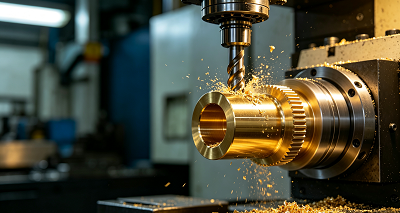
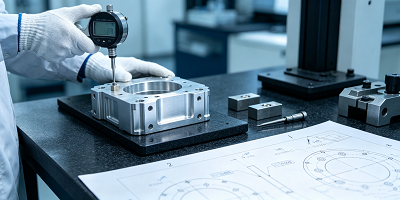
CNC machining produces pins by cutting away material from a solid metal bar using computer-controlled cutting tools. This process excels at producing small, intricate or custom pins that demand tight tolerances and fine surface finishes. It works with a broad range of materials including carbon steel, stainless steel, aluminum and brass, and every finished pin undergoes dimensional inspection to verify accuracy.
2. Stamping
Stamping is a high-volume manufacturing method best suited for larger, simpler pin designs. A flat metal sheet is placed over a precision-made die and pressed under high force to form the final pin shape. The process is fast and highly cost-effective for mass production, with routine quality checks to identify any forming defects or dimensional deviations.
3. Forging
Forging involves heating a solid metal bar and shaping it under extreme pressure with a forging die. This process aligns the metal’s internal grain structure with the pin’s geometry, resulting in superior strength, toughness and fatigue resistance. Forging is the preferred method for large, heavy-duty pins used in demanding industrial environments, typically made from carbon steel, alloy steel or titanium.
Common Materials for Pin Fasteners
The material of a pin directly determines its strength, corrosion resistance, weight and usable temperature range. The most widely specified materials include:
- Carbon Steel: Delivers excellent strength and durability at a low cost, making it the workhorse material for general industrial applications. Carbon steel pins are usually zinc-plated or black-oxide coated to boost corrosion resistance.
- Stainless Steel: Offers outstanding corrosion resistance and good mechanical strength, making it suitable for outdoor, marine, medical and food-processing environments where rust prevention and hygiene are required.
- Aluminum: Lightweight with natural corrosion resistance, aluminum pins are chosen for weight-sensitive applications such as aerospace components and portable equipment.
- Brass: Provides good corrosion resistance, electrical conductivity and a polished appearance. Brass pins are commonly used in electronics, precision instruments and decorative assemblies, and offer natural anti-galling properties.
- Titanium: Combines ultra-high strength, low density and exceptional resistance to heat and harsh chemicals. It is a premium material for aerospace systems, medical implants and heavy-duty off-highway equipment.
Core Advantages of Pin Fasteners
Compared with other fastening solutions, pin fasteners offer unique benefits that keep them essential across nearly every industry:
- High positioning accuracy: Unlike screws or bolts, pins deliver extremely precise radial alignment, which is critical for mold assembly, tooling setup and precision machinery.
- Broad application versatility: Available in thousands of standard sizes and custom configurations, pins work for everything from miniature medical devices to large construction machinery, and can be combined with washers, bolts and nuts for enhanced stability.
- Fast and simple installation: Most pins require no specialized tools for assembly, and quick-release designs enable fully tool-free operation, cutting maintenance time and improving workflow efficiency.
- Strong cost efficiency: Standardized pins have a low unit cost and scale well for high-volume production. Even custom-machined pins remain a cost-effective solution for specialized requirements.
- Safe and vibration-resistant: Pins require no heat or electricity for installation, eliminating related safety hazards. Self-locking and spring-loaded designs maintain secure retention even under sustained equipment vibration.
Key Factors for Selecting the Right Pin
Choosing the optimal pin fastener requires matching product specifications to your actual working conditions. Here are the most critical factors to evaluate:
1. Operating Environment
First assess the working conditions: exposure to moisture, corrosive chemicals, extreme temperatures or salt spray will dictate the required material and surface treatment. Stainless steel or titanium are recommended for harsh environments, while zinc-plated carbon steel is sufficient for dry indoor use.
2. Size and Mounting Configuration
Select the pin diameter, length and head style according to the available installation space and pre-drilled hole dimensions. For frequent disassembly, choose quick-release designs with integrated handles or pull rings; for permanent fixation, press-fit dowel pins or taper pins are more appropriate.
3. Load Bearing Capacity
Always verify the pin’s rated shear and tensile strength to ensure they exceed the actual working loads. Using an underspecified pin can result in bending, shearing or catastrophic equipment failure. For reference, heavy-duty clevis pins can support shear loads of several thousand pounds.
4. Precision Grade
High-precision assemblies such as inspection jigs, optical equipment and injection molds require ground dowel pins with ultra-tight tolerances. For general locking or light-duty positioning, standard-tolerance pins provide a more economical solution.
Typical Industry Applications of Pin Fasteners
Different industries rely on specific pin types to address their unique operational demands:
- Automotive: Cotter pins secure wheel hubs and axle nuts against vibration; clevis pins operate in suspension and brake systems; dowel pins guarantee precise alignment of engine blocks and transmission housings.
- Medical: Stainless steel dowel pins enable precise hinged movement in surgical retractors and forceps; cotter pins provide reliable locking in respiratory devices and emergency medical equipment.
- Industrial Machinery: Dowel pins align machine frames and mold halves; spring plungers perform indexing functions on automated production lines; quick-release pins enable rapid tooling changeover.
- Construction & Agriculture: Lynch pins and retractable latch pins allow fast attachment of buckets, blades and work implements; taper pins support reusable structural connections that withstand heavy wear.
- Aerospace: Titanium and aluminum pins deliver exceptional strength-to-weight ratios, withstanding extreme temperatures and cyclic fatigue loads in aircraft structures and engine components.
Conclusion
Pin fasteners may be small in scale, but they are foundational to the safety, precision and efficiency of countless industrial products and processes. By understanding the distinct characteristics, material properties and ideal use cases of each pin type, engineering and procurement teams can make informed selections that improve equipment reliability, extend service life and optimize total cost. Whether for a precision medical instrument or a heavy-duty construction machine, there is a pin fastener engineered to meet the specific requirement.
FAQs
Q: What is the main difference between pin fasteners and bolted connections?
A: Bolts provide axial clamping force through threads and are primarily designed to resist tensile loads. Pins primarily provide radial alignment and resist shear loads, and many pin designs offer quick-release functionality that threaded fasteners cannot match.
Q: Can pin fasteners be customized for special applications?
A: Yes. Pins can be fully customized in material, diameter, length, head style, surface finish and locking mechanism to accommodate unique installation spaces, load requirements or environmental conditions.
Q: What are the most common pitfalls when using pin fasteners?
A: The most frequent issues include selecting a pin with insufficient load capacity leading to deformation, using the wrong material in corrosive environments resulting in rust or seizure, and improper installation that reduces retention performance.