Essential Types of Industrial Protective Coatings: Properties, Applications and Best Practices
What Are Industrial Coatings?
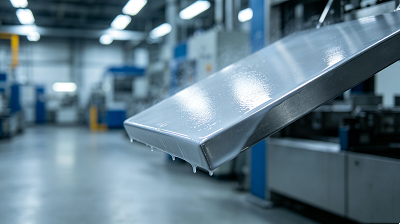
Industrial coatings are specialized material layers applied to a substrate’s surface to deliver protective, decorative, or functional enhancements. Unlike decorative paints that prioritize visual appeal, industrial coatings are engineered primarily for performance: they form a robust barrier against abrasion, corrosion, UV degradation, chemical attack, and extreme temperatures. In many heavy-industry applications, they are an indispensable finishing step that determines long-term part reliability and lowers total lifecycle costs.
Common Types of Industrial Coatings
A wide range of coating technologies are used in modern part manufacturing, each optimized for specific substrates and performance goals. Below is a breakdown of the most prevalent systems, including their properties, application workflows, suitable materials, and tradeoffs.
Epoxy Coatings
Epoxy coatings are two-component systems formed by the cross-linking reaction of epoxy resins with a dedicated curing agent. Once fully cured, they create a rigid, highly adhesive film recognized for outstanding mechanical strength and chemical resilience, making them a standard choice in industrial, commercial, and residential surface protection.
Compatible Substrates
Epoxy formulations bond reliably to a broad spectrum of materials, including metals, plastics, wood, brick, ceramics, and concrete. They do not adhere effectively to low-surface-energy substrates such as silicone, vinyl, rubber, parchment, and waxed surfaces.
Core Properties
- Exceptional mechanical durability with high surface hardness and abrasion resistance
- Broad chemical resistance against acids, alkalis, solvents, and petroleum-based fluids
- Reliable corrosion protection by sealing out moisture and atmospheric contaminants
- Service temperature range from approximately 71°C up to 300°C depending on specific formulation
- Wide selection of colors and finish textures for aesthetic customization
Application Workflow
The process starts with rigorous surface preparation — cleaning, degreasing, and often abrasive profiling to ensure strong interfacial adhesion. The resin and hardener are then mixed at the manufacturer-specified ratio, applied via brush, roller, or spray equipment, and cured under controlled temperature and humidity conditions.
Typical Applications
- Automotive chassis and engine component protection
- Marine hulls and non-slip boat deck surfaces
- Aircraft wing and fuselage structural sections
- Circuit board encapsulation and electronic component insulation
- Interior and exterior corrosion control for oil pipelines and storage tanks
Advantages
- Delivers long-lasting defense against wear, impact, and mechanical abrasion
- Withstands exposure to a wide spectrum of industrial chemicals
- Versatile aesthetic options to match design and branding requirements
- Compatible with multiple substrate categories beyond just metals
Limitations
- Demanding surface preparation requirements add production time and cost
- Poor UV resistance leads to chalking and degradation under prolonged outdoor sun exposure
- Curing process releases volatile fumes that require proper ventilation
- Inherently rigid film; substrate cracking or deformation can damage the coating layer
Polyurethane Coatings
Polyurethane (PU) coatings are high-performance two-component systems created by reacting polyols or polyamines with isocyanate curing agents. The resulting film balances toughness and inherent flexibility, allowing it to expand and contract with the substrate without cracking, while maintaining strong resistance to chemicals and surface wear.
Compatible Substrates
Fast-curing polyurethane formulations perform well on wood, metal, and previously painted surfaces, making them popular for both new construction and refurbishment projects.
Core Properties
- Excellent long-term durability combining surface hardness and elastic flexibility
- Ability to accommodate thermal expansion and contraction of the substrate
- Strong resistance to acids, alkalis, solvents, and industrial oils
- Superior UV stability compared to standard epoxy systems
- Available in a diverse palette of colors and surface finishes
Application Workflow
After surface cleaning, a compatible primer is typically applied to boost adhesion strength. The two PU components are thoroughly mixed, then applied by brush, roller, or spray equipment. Curing proceeds at ambient or elevated temperatures depending on the specific formulation.
Typical Applications
- Aerospace: cabin insulation, window pane assemblies, exterior light housings
- Automotive: seat cushion systems, bumper components, door panels, and exterior spoilers
- Construction: industrial flooring, steel/concrete structural supports, architectural finishes
- Military: aircraft and naval vessel exterior sealing, protective equipment surface treatment
Advantages
- Provides enduring protection against wear, impact, and outdoor weathering
- Flexible film resists cracking and peeling when the substrate moves or flexes
- Strong combined resistance to chemicals and UV radiation
- Wide range of aesthetic formulations available for different design needs
Limitations
- Clear and light-colored formulations may develop yellowing gradually over time
- Limited energy absorption capacity, making them unsuitable for high-impact load scenarios
Polysiloxane Coatings
Polysiloxane coatings represent an advanced class of protective coatings built on silicon-oxygen (Si-O) molecular bonds. This unique chemical structure gives them exceptional environmental stability, UV resistance, and flexibility, positioning them as a premium solution for harsh outdoor and industrial environments. They form dense, water-repellent film layers that withstand prolonged weathering exceptionally well.
Compatible Substrates
These coatings are highly versatile, adhering reliably to steel, aluminum, galvanized metal, concrete, plastics, glass, wood, ceramics, and various composite materials.
Core Properties
- Long-lasting protection against physical wear and environmental degradation
- Outstanding UV and weathering resistance for long-term outdoor performance
- Good flexibility to follow substrate movement without cracking or delamination
- Chemical resistance against solvents, acids, and alkaline solutions
- High thermal stability, with continuous service temperatures up to approximately 300°C
Application Workflow
Following surface cleaning and primer application to improve adhesion, the base component and curing agent are mixed per manufacturer guidelines. The coating is applied using brushes, rollers, or spray systems, then cured for a specified duration under controlled environmental conditions.
Typical Applications
- Marine vessel hulls and offshore structure protection
- Oil and gas pipelines and offshore platform exterior surfaces
- Bridge decks, overpasses, and other civil infrastructure assets
- Automotive exterior body panels
- Wind turbine blade leading-edge erosion protection
- Chemical storage tanks and process equipment
Advantages
- Delivers extended service life in physically demanding and corrosive environments
- Excels under extreme conditions including intense UV, high humidity, and chemical exposure
- Retains flexibility across wide temperature fluctuations
- Stable performance over a broad thermal operating range
- Many formulations feature low VOC emissions for improved environmental compliance
Limitations
- Can become brittle under certain extreme temperature cycling conditions
- Generally carries a higher material cost compared to standard polyurethane systems
Zinc-Rich Coatings
Zinc-rich coatings provide corrosion protection through a combination of barrier effect and galvanic sacrificial action. Because zinc is electrochemically more reactive than steel and iron, it corrodes preferentially, shielding the base metal even if the coating sustains minor scratches or localized damage.
Compatible Substrates
Zinc-based coatings are designed primarily for metallic substrates — most commonly steel, iron, and aluminum — where their core function is corrosion prevention.
Core Properties
- Durable, long-term corrosion protection in atmospheric and immersed environments
- Galvanic sacrificial protection that remains effective with localized coating damage
- Excellent adhesion to most ferrous and non-ferrous base metals
- Preserves electrical conductivity of the underlying metal surface
- Withstands continuous service temperatures up to approximately 200°C
Application Workflow
Surface preparation includes thorough cleaning and pretreatment — typically pickling, degreasing, or abrasive blasting — to create a clean, profiled surface for strong bonding. Zinc is then applied via hot-dip galvanizing, electroplating, or thermal spraying, followed by cooling and quality inspection for uniform coverage.
Typical Applications
- Ship hulls and marine hardware components
- Structural steel for bridges, overpasses, and commercial buildings
- Automotive body panels and undercarriage components
- Electrical transmission towers and wind turbine structural parts
Advantages
- Provides robust, proven corrosion protection for steel components
- Performs reliably in harsh outdoor, marine, and industrial chemical environments
- Often more cost-effective than organic coating systems for heavy corrosion control
- Application technologies are mature, standardized, and widely available globally
Limitations
- Protection performance declines significantly at temperatures above 200°C
- Requires periodic inspection and touch-up maintenance in highly aggressive environments
- Surface can develop a dull, weathered patina over extended outdoor exposure
Ceramic Coatings
Ceramic coatings are permanent or semi-permanent surface treatments that form a chemically bonded protective layer on the substrate. In automotive and industrial applications, they create a hydrophobic, high-hardness barrier that integrates with the base surface without altering the underlying material or factory finish.
Compatible Substrates
Ceramic coating technologies are compatible with a wide spectrum of materials, including steel, aluminum, titanium and other metals, plus engineering plastics, glass, and fiber-reinforced composites.
Core Properties
- Exceptional thermal stability, with many formulations withstanding temperatures exceeding 1000°C
- Strong chemical resistance against solvents, acids, and alkaline agents
- Very high surface hardness for superior scratch and abrasion resistance
- Effective barrier against oxidation and high-temperature corrosion
- Low friction coefficient to reduce wear on moving mechanical components
Application Workflow
Thermal spraying is the most common industrial application method: ceramic powders are melted using high-temperature plasma or combustion flame, then propelled onto the substrate where they solidify into a dense coating. Alternative methods include dip coating and spin coating from ceramic slurries, followed by drying and sintering to achieve full density.
Typical Applications
- Wear and high-temperature protection for industrial machinery and tooling
- Gas turbine components and boiler internal surfaces
- Electronic component and circuit board thermal insulation
- Medical implant and surgical device surface modification
- Food processing equipment and sanitary containers
Advantages
- Unmatched performance in extreme high-temperature operating conditions
- Broad chemical resistance enhances component durability
- Creates a hard, scratch-resistant surface that withstands mechanical abuse
- Shields base materials from oxidation and corrosion
- Reduces friction on mating surfaces for improved mechanical efficiency
Limitations
- Higher material and application cost relative to most organic coating systems
- Requires specialized equipment and trained personnel for proper installation
- Inherently brittle and prone to cracking under impact or severe flexure
- Demands rigorous surface preparation to achieve optimal adhesion
- Relatively thick coating layers may not be suitable for precision parts with tight dimensional tolerances
Metallic Coatings
Metallic coatings protect substrates by depositing a thin layer of metal — most commonly aluminum, nickel, chromium, and their alloys — onto the part surface. Each metal brings distinct performance attributes: for example, chromium delivers excellent corrosion resistance and surface hardness, while aluminum enhances both corrosion protection and reflective aesthetics.
Compatible Substrates
Metallic coating processes are generally applied to metallic substrates including steel, aluminum, and titanium components.
Core Properties
- Effective barrier against oxidation and chemical corrosion
- Strong interfacial bonding with the base metal for long service life
- Preserves or enhances electrical conductivity for electronic applications
- Increases surface hardness and wear resistance
- Certain formulations retain ductility to resist cracking during deformation
Application Workflow
After meticulous surface cleaning to remove contaminants that would compromise adhesion, metallic coatings are applied via two primary routes. Thermal spraying melts metal powder in a high-velocity flame or plasma stream and deposits it onto the substrate. Electroplating immerses the part in an electrolyte solution containing metal ions, where an electric current drives metal deposition onto the workpiece.
Typical Applications
- Gas turbine and boiler component protection in power generation
- Surface modification of medical implants for improved biocompatibility and corrosion resistance
- Decorative and functional finishes for consumer and industrial hardware
Advantages
- Excellent long-term corrosion protection
- Extended service life with minimal performance degradation
- Can enhance surface reflectivity and electrical properties
Limitations
- Not compatible with non-metallic substrate materials
- Ongoing maintenance requirements can add to total lifecycle costs
- Limited protection against water spotting and mineral stain formation
Key Factors for Selecting the Right Industrial Coating
Choosing the optimal coating system requires balancing performance requirements, material compatibility, and practical manufacturing constraints. Below are the core considerations that guide effective coating selection.
Substrate Material Compatibility
Each coating technology is engineered to bond with specific substrate types. For instance, metallic coatings are almost exclusively used on metal parts, while epoxy systems can be applied across metals, wood, concrete, and select plastics. Matching the coating to the substrate chemistry is the first step to ensure adhesion and long-term performance. The functional needs of the substrate also matter: for components requiring both corrosion resistance and UV stability, polyurethane or polysiloxane systems are typically preferred over standard epoxies.
Operating Environment
The service environment directly dictates what properties the coating must deliver. Evaluate factors such as temperature range, UV exposure, humidity, salt spray, and contact with chemicals or fuels. For outdoor infrastructure and marine applications where both UV and corrosion resistance are critical, polysiloxane coatings generally outperform epoxy alternatives.
Application and Processing Requirements
Practical manufacturing constraints — including application method, curing time, temperature requirements, and available equipment — also influence coating choice. Organic coatings like epoxy, polyurethane, and polysiloxane are applied via mixing and spray/roller/brush application, while zinc and other metallic coatings often require specialized dipping, plating, or thermal spray production lines.
Performance Specifications
Define the required level of resistance to corrosion, abrasion, impact, thermal cycling, and chemical attack. For example, if UV stability is a primary requirement, epoxy coatings are not the optimal choice, and polysiloxane or polyurethane systems should be prioritized. Align coating selection with the exact performance targets of the final part.
Total Cost of Ownership
While upfront material and application cost is an important budget factor, it should be weighed against expected service life and maintenance requirements. A lower-cost option like zinc coating may be sufficient for moderate environments, while premium polysiloxane systems can deliver longer service intervals and lower lifecycle costs in harsh operating conditions.
Regulatory and Compliance Standards
Industrial coatings must meet regional environmental regulations (such as VOC emission limits) and industry-specific certification standards. Ensure the selected coating system complies with applicable safety, environmental, and performance standards for your industry and target market.
Conclusion
Industrial coatings are a value-driven finishing step that enhances part durability, functionality, and aesthetic quality across virtually every engineering sector. Each coating technology has distinct strengths, limitations, and ideal use cases, from the robust chemical resistance of epoxies to the UV stability of polysiloxanes and the galvanic corrosion protection of zinc-rich systems. By carefully evaluating substrate compatibility, operating conditions, performance needs, and cost constraints, manufacturers can select the coating solution that maximizes component lifespan and delivers the best long-term value.
Frequently Asked Questions
Are industrial coatings a worthwhile investment?
Yes. Beyond improving surface appearance, industrial coatings deliver measurable functional benefits including enhanced corrosion resistance, improved wear durability, and protection from harsh environmental conditions. They extend component service life and reduce long-term maintenance and replacement costs.
What is the difference between coating and painting?
Paint falls under the broader category of coatings, but not all coatings are paints. Paints are generally thin, fluid formulations applied primarily for color and decorative effect. Industrial coatings, by contrast, are engineered first and foremost for protection and are formulated to maximize adhesion, barrier performance, and mechanical resilience.
What coating is used on galvanized steel?
Galvanized steel itself is produced by applying a zinc coating via the hot-dip galvanizing process. This zinc layer provides both barrier and galvanic corrosion protection, making it one of the most common and cost-effective surface treatments for steel structural components.